Relief from Vertigo, Dizziness and More
What is Vestibular Rehabilitation
Vestibular rehabilitation is a targeted, evidence-informed approach designed to relieve vertigo, dizziness, and balance issues by improving how your visual, vestibular, and proprioceptive systems work together. At New Directions in Health, Dr. Friedman performs comprehensive assessments to identify the root causes of imbalance, poor posture, and motion sensitivity. This personalized therapy helps restore stability, coordination, and confidence in daily movement
Understanding the Key Players in Balance
Your body relies on three primary systems to maintain balance and spatial orientation: the visual system, the vestibular system, and spinal proprioception. Each system plays a unique role, and together they form a sophisticated network that enables you to navigate the world confidently.

THE VISUAL SYSTEM
THE VESTIBULAR SYSTERM
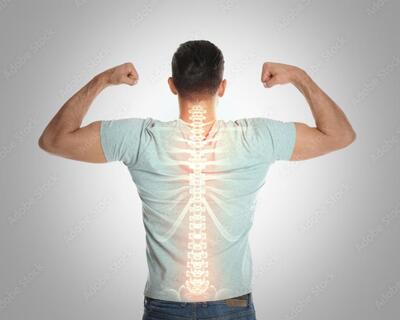
SPINAL PROPRIOCEPTION
HOW YOUR BALANCE SYSTEMS WORK TOGETHER
These systems constantly share information to help you stay aligned, focused, and steady—whether you’re walking, turning your head, or navigating uneven ground. When even one system is disrupted, symptoms like dizziness, blurred vision, headaches, or unsteadiness can appear, which vestibular rehabilitation is designed to correct.
What to Expect & Who Can Benefit
Vestibular rehabilitation includes customized exercises such as eye-tracking drills, balance training, and proprioceptive work to retrain your body’s stability and spatial awareness. This therapy is highly effective for vertigo, post-concussion symptoms, balance disorders, neck pain, headaches, and motion sensitivity. If you’re experiencing dizziness, poor posture, or coordination problems, Dr. Friedman can provide a full assessment to help you regain balance and move with confidence
